
 TRACK MY ORDER
Laminate Underlays
Underlay for laminate and engineered wood floors, from Duralay, QA, TimberTech and Finefloor. 2mm to 5mm, in foam, rubber and XPS board, with and without a built-in vapour barrier. Free 3 working day delivery to mainland UK.
Laminate underlay FAQs
Do I need a vapour barrier under laminate?
On a concrete or screeded ground floor, yes. Moisture rises through concrete and will swell the boards. Underlays such as Sonic Gold and Comfort Silver have a foil or film barrier built in. On a timber first floor you can use an underlay without one.
Which laminate underlay is quietest?
Rubber and the thicker foams cut the most noise. TimberTech2 is a dense rubber underlay for heavy use. Sonic Gold 5mm is the thicker foam option. Both list their sound reduction on the product page.
Can I use laminate underlay with underfloor heating?
Only a low-tog one. QuickTherm Vapour 2mm is made for underfloor heating and includes a vapour barrier. Thicker underlays hold the heat back.
Which laminate underlay do I need for a concrete floor?
One with a vapour barrier built in, to stop moisture rising into the boards. Duralay Timbermate Excel is the premium choice. TimberTech2 Silver Plus is a more affordable rubber option, and Comfort Silver is our best-value underlay with a barrier.
What thickness of laminate underlay should I use?
2mm to 3mm suits most floors. 5mm, such as Sonic Gold, smooths out minor bumps in the subfloor. Check your flooring’s fitting instructions, as some click floors set a maximum underlay thickness.
What about uneven floorboards?
FineFloor TechniBoard 5mm XPS boards help level out dips in a timber subfloor.
Can I use laminate underlay under LVT?
No, it’s too soft for click LVT and can damage the joints. Use a thin LVT underlay such as Xtrafloor Acoustic 1.8mm.
How much laminate underlay do I need?
Measure the floor area in square metres and add 5–10% for overlaps and trimming. Our measuring up guide explains how to measure awkward-shaped rooms.
Showing all 7 resultsSorted by price: low to high
-

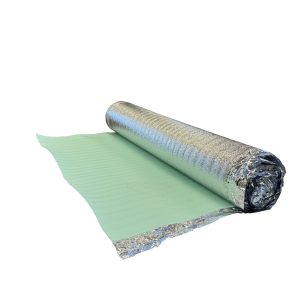
Comfort Silver 3mm Underlay
Price range: £8.99 through £94.99 Select options This product has multiple variants. The options may be chosen on the product page -
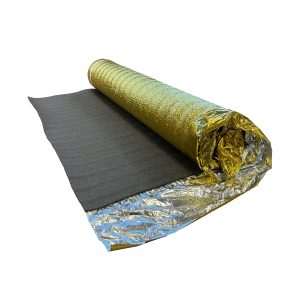
Sonic Gold 5mm Underlay
Price range: £13.49 through £99.99 Select options This product has multiple variants. The options may be chosen on the product page -
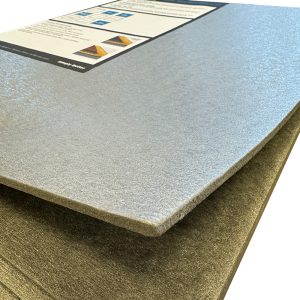
FineFloor TechniBoard 5mm XPS Underlay
Price range: £17.49 through £116.30 Select options This product has multiple variants. The options may be chosen on the product page -
QuickTherm Vapour 2mm Underfloor Heating Underlay
Price range: £23.99 through £273.99 Select options This product has multiple variants. The options may be chosen on the product page -
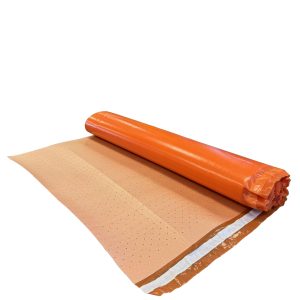
TimberTech2 Silver Plus 3mm Underlay
Price range: £29.49 through £309.99 Select options This product has multiple variants. The options may be chosen on the product page -
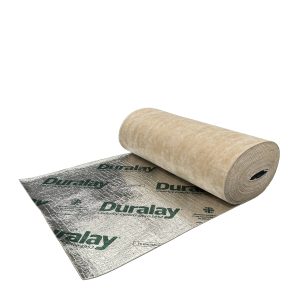
Duralay Timbermate Excel 3.6mm Underlay (10m² roll)
Price range: £39.99 through £440.00 Select options This product has multiple variants. The options may be chosen on the product page -
Duralay Timbermate Excel 3.6mm Underlay (15m² roll)
Price range: £99.99 through £592.99 Select options This product has multiple variants. The options may be chosen on the product page